Google Home vs Alexa: The 2026 Ecosystem Comparison
Google Home vs Alexa is the choice that shapes your whole smart home in 2026, since your voice assistant decides which speakers, displays, and routines you'll live with for years. Both now support Matter and Thread, both have strong hardware, and both keep improving their AI. This guide compares the Amazon Echo and Google Nest ecosystems on hardware, hub features, and everyday voice control so you can commit with confidence.
Amazon Echo (4th Gen) and Alexa
Alexa leads on smart home breadth, packing Zigbee, Matter, and Thread radios into one $99.99 speaker so you can connect bulbs, locks, and sensors without a separate hub. Alexa supports the widest range of third-party devices and routines. Compare it with other smart home speakers.
Pros: built-in Zigbee, Matter, and Thread hub, widest device compatibility, frequently discounted.
Cons: deep Alexa ecosystem lock-in, always-on mic privacy concerns.
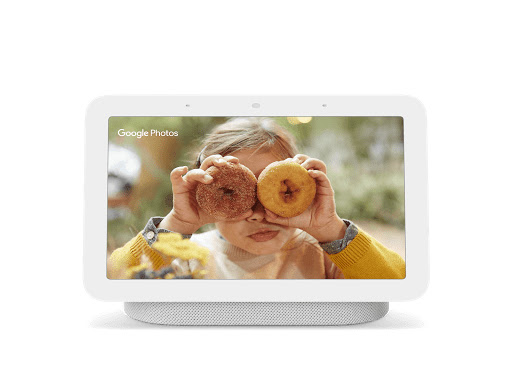
Google Nest Hub (2nd Gen) and Google Home
The Nest Hub anchors the Google Home ecosystem with a 7-inch display, Soli radar sleep sensing, and tight integration with Google Photos, YouTube, and Search. It acts as a Thread and Bluetooth hub and excels at surfacing information visually — though a dedicated hub from our smart home hubs guide adds more radios.
Pros: best-in-class Google services integration, Soli radar sleep tracking (no wearable), clean visual dashboards.
Cons: fewer built-in radios than Echo, smaller third-party device catalog.
Google Home vs Alexa: spec comparison
| Alexa | Google Home | |
|---|---|---|
| Flagship speaker | Amazon Echo (4th Gen) — $99.99 | Google Nest Hub (2nd Gen) — $99.99 |
| Built-in hub | Zigbee, Matter, Thread | Thread + Bluetooth |
| Matter support | Yes | Yes |
| Best for | Device breadth & Zigbee | Google services & displays |
| Standout feature | Built-in Zigbee hub | Soli radar sleep sensing |
Verdict
Pick Alexa in 2026 if you want the broadest device support and a built-in Zigbee hub in your main speaker — the Echo (4th Gen) is the best value all-in-one. Choose Google Home if you live in Google's services and want the best smart displays and sleep sensing. Both fully support Matter, so you won't be locked out of new devices either way. Shopping thermostats next? See Nest vs Ecobee.
The flagship speakers compared
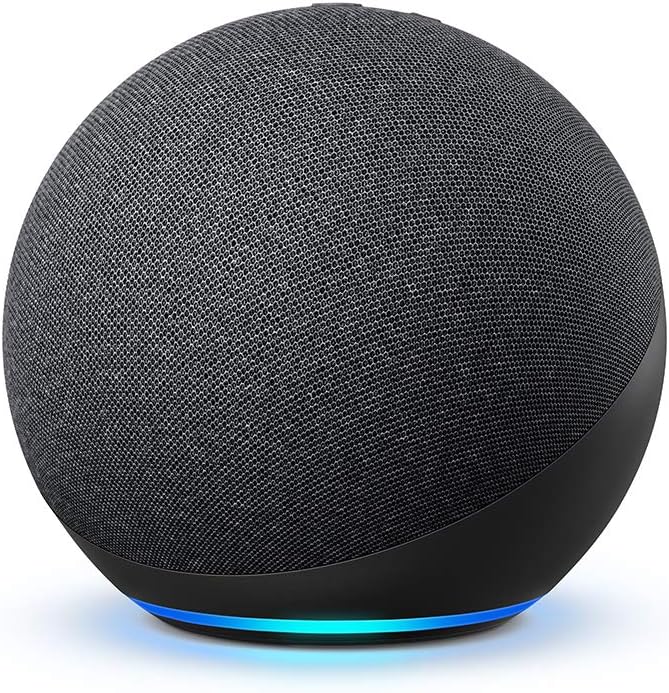
- +Built-in Zigbee, Matter, and Thread hub — eliminates a separate hub purchase
- +Dolby-tuned 3-inch woofer with adaptive room acoustic EQ
- −Deep Alexa ecosystem lock-in — limited cross-platform device control
- −Always-on microphone array is a privacy concern for some households
Google Nest
Google Nest Hub (2nd Gen)Bedside smart display with radar sleep tracking and hands-free Google Assistant.
- +Soli radar sleep tracking with no camera, wearable, or subscription needed
- +Sunrise alarm gradually brightens display to ease morning waking
- −No camera — cannot make or receive video calls from the display
- −Speaker is adequate for ambient sound but underwhelming for serious music listening