Best Smart Home Hub of 2026
By Ethan Halfhide · Updated
A smart home hub is the command center that connects your devices and lets them talk to each other locally — without depending on the internet for automations. In 2026, the best hubs support Matter, Thread, and Zigbee in a single device, dramatically simplifying mixed-brand setups. These are the top smart home hubs for every ecosystem and budget.
Best Smart Home Hub of 2026
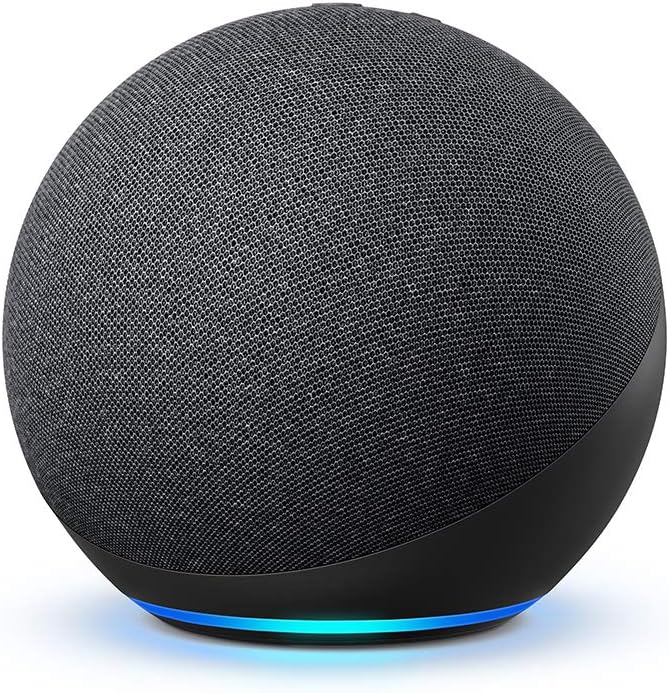 Amazon Echo
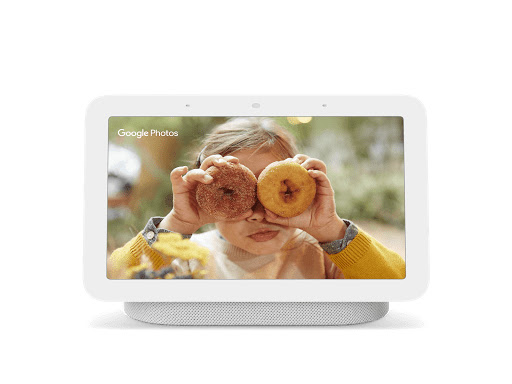 Google Nest
How we ranked smart home hubs
- Protocol support (Matter, Zigbee, Thread, Z-Wave)
- Local processing capability
- Ecosystem compatibility
- Setup complexity
- Price
Top picks ranked
#1 Aqara Smart Hub M3 — $59.99. The best dedicated smart home hub in 2026. Combines Thread Border Router and Zigbee 3.0 in one compact device, runs automations locally without cloud dependency, and bridges Aqara's Zigbee ecosystem into Matter.
#2 Amazon Echo (4th Gen) — $99.99. The best smart speaker that doubles as a full smart home hub. Built-in Zigbee, Matter, and Thread radios. See our best Alexa smart home devices.
#3 Google Nest Hub (2nd Gen) — $99.99. Best Google-ecosystem hub in 2026. Thread Border Router built in, 7-inch display for visual control, and Soli radar sleep tracking.
Verdict
For pure hub functionality in 2026, the Aqara Smart Hub M3 at $59.99 is the top dedicated option — Thread plus Zigbee with full local automation. The Amazon Echo 4th Gen is the best hub-plus-speaker combo. Google Nest Hub 2nd Gen is ideal if you are Google-first. Pair with our best Matter smart home devices.
Related Guides
If you have not settled on a platform yet, read how to choose a home automation system before buying a hub. A dedicated hub is not the only option either: some smart speakers and smart home displays can act as controllers, depending on which radios they include.
Outdoor gear can join the same system too, and the best smart sprinkler controller page covers weather-aware irrigation.
Top hub picks
Aqara
Aqara Smart Hub M3Multi-protocol hub with Zigbee 3.0, Thread and Matter support and local automations
- +Supports Zigbee 3.0, Thread and Matter in one hub
- +Zigbee 3.0 bridges legacy Aqara devices to Matter
- −USB power adapter is not included
- −Only one IR air conditioner can be exposed to Matter
- +Built-in Zigbee, Matter, and Thread hub, eliminates a separate hub purchase
- +Dolby-tuned 3-inch woofer with adaptive room acoustic EQ
- −Deep Alexa ecosystem lock-in, limited cross-platform device control
- −Always-on microphone array is a privacy concern for some households
Google Nest
Google Nest Hub (2nd Gen)Bedside smart display with radar sleep tracking and hands-free Google Assistant.
- +Soli radar sleep tracking with no camera, wearable, or subscription needed
- +Sunrise alarm gradually brightens display to ease morning waking
- −No camera, cannot make or receive video calls from the display
- −Speaker is adequate for ambient sound but underwhelming for serious music listening
Related guides
Frequently asked questions
Do I need a smart home hub in 2026?
For Matter-certified Wi-Fi devices, no hub is required — they connect directly to your router. For Zigbee, Z-Wave, or Thread devices, a hub that speaks those protocols is still needed. The Amazon Echo 4th Gen is the simplest way to add Zigbee and Thread hub capability.
What is the best smart home hub for Matter in 2026?
Any Matter controller works — Apple HomePod, Amazon Echo 4th Gen, Google Nest Hub, or SmartThings Station. The Aqara Smart Hub M3 adds Zigbee bridging on top of Matter and Thread for mixed-protocol homes.
Can a smart home hub work without the internet?
Yes. The Aqara Smart Hub M3 runs automations locally with no internet. The Echo and Nest Hub process local commands, though cloud features require internet.