Smart Doorbell Cameras: The 2026 Directory
Smart doorbell cameras are the most-installed smart home device in America, and the buying decision now hinges on two things that have nothing to do with video quality: whether you have existing doorbell wiring, and how much the manufacturer charges monthly for the features that make the camera useful. This directory covers the doorbells worth installing in 2026, what each one sees, and where the subscription traps are.
What is a smart doorbell camera?
A smart doorbell camera replaces your existing doorbell button with a camera, microphone and speaker, so you can see and speak to whoever is at the door from anywhere. The meaningful specs are field of view and aspect ratio rather than raw resolution: a tall 1:1 or 4:3 frame shows a visitor head to toe and catches packages left on the floor, while a wide 16:9 frame crops exactly the part of the scene you care about. After that it is power source and subscription policy. For coverage beyond the porch, see smart security cameras, and for keyless entry pair it with smart door locks.
Buying guide
Check for existing doorbell wiring first, because it determines half your options. If you have it, the Ring Video Doorbell Pro 2 shoots 1536p in a taller field of view that captures visitors head to toe, and it is the most polished hardwired option. If you do not, the Ring Battery Doorbell Pro brings the same 1536p sensor, 3D radar motion detection with Birds Eye View and colour night vision to homes with no wiring.
Google households should take the Nest Doorbell, whose on-device AI flags people, packages, animals and vehicles and which integrates tightly with the rest of Google Home. The Ecobee Smart Doorbell Camera is the value play and the one that deserves more attention than it gets: a 175 degree field of view in a 1:1 aspect ratio so you see the full doorstep, with person, package and vehicle detection included at no extra cost. Ring and Nest both gate their most useful detection behind Ring Protect and Nest Aware respectively, which is the crux of our Ring vs Eufy comparison.
Key considerations
- Existing doorbell wiring versus battery power
- Aspect ratio and whether it shows packages on the floor
- Whether AI detection requires a monthly subscription
- Colour night vision versus infrared
- Pre-roll capture so you see what happened before the trigger
- Ecosystem: Ring is Alexa-first, Nest is Google-first, Ecobee spans all three
Smart doorbell cameras, ranked
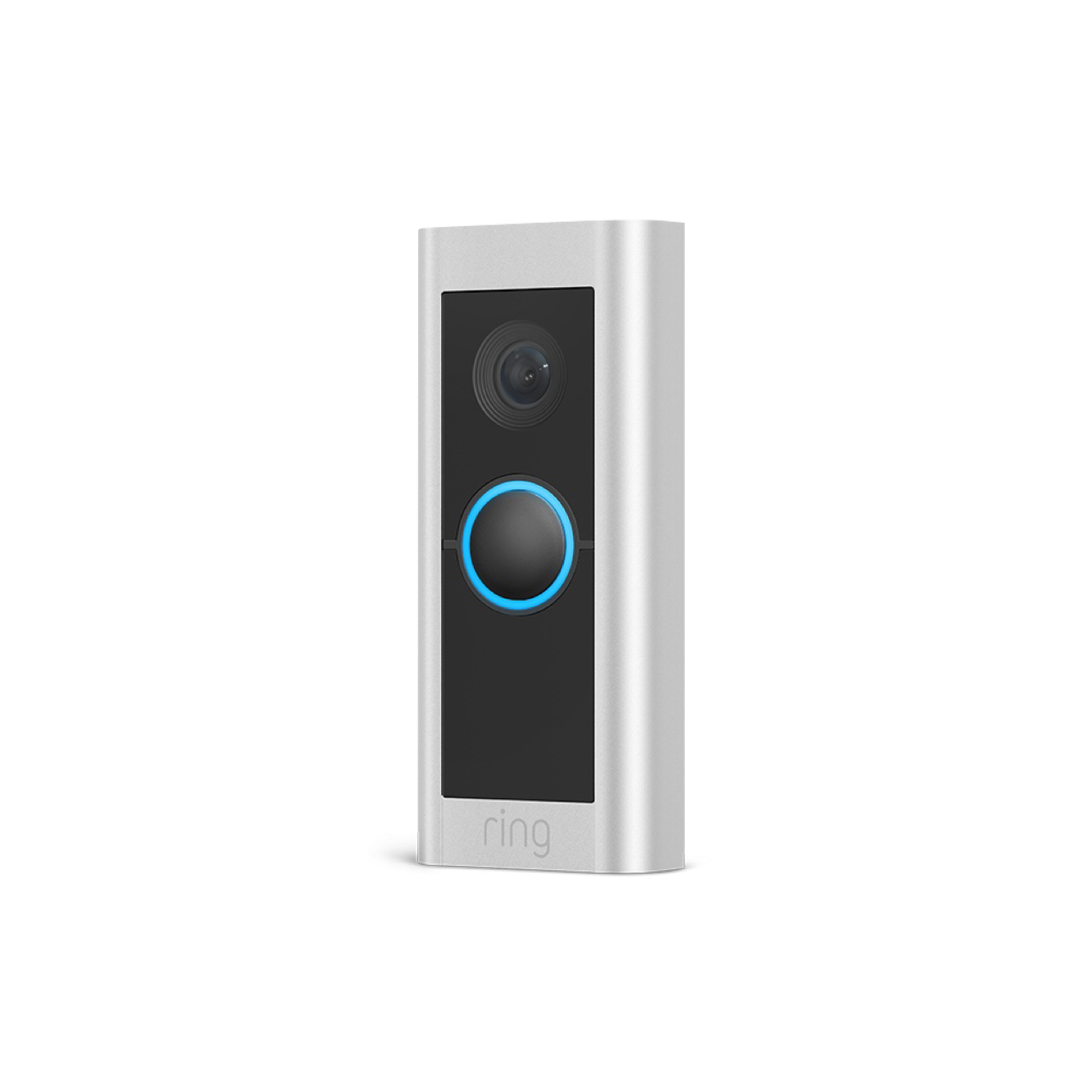
- +1536p head-to-toe field of view captures packages on the ground
- +3D radar motion detection with customizable distance zones
- −Ring Protect subscription ($4.99+/month) required for cloud recording and AI detection
- −Hardwired only — requires existing doorbell wiring or electrician installation
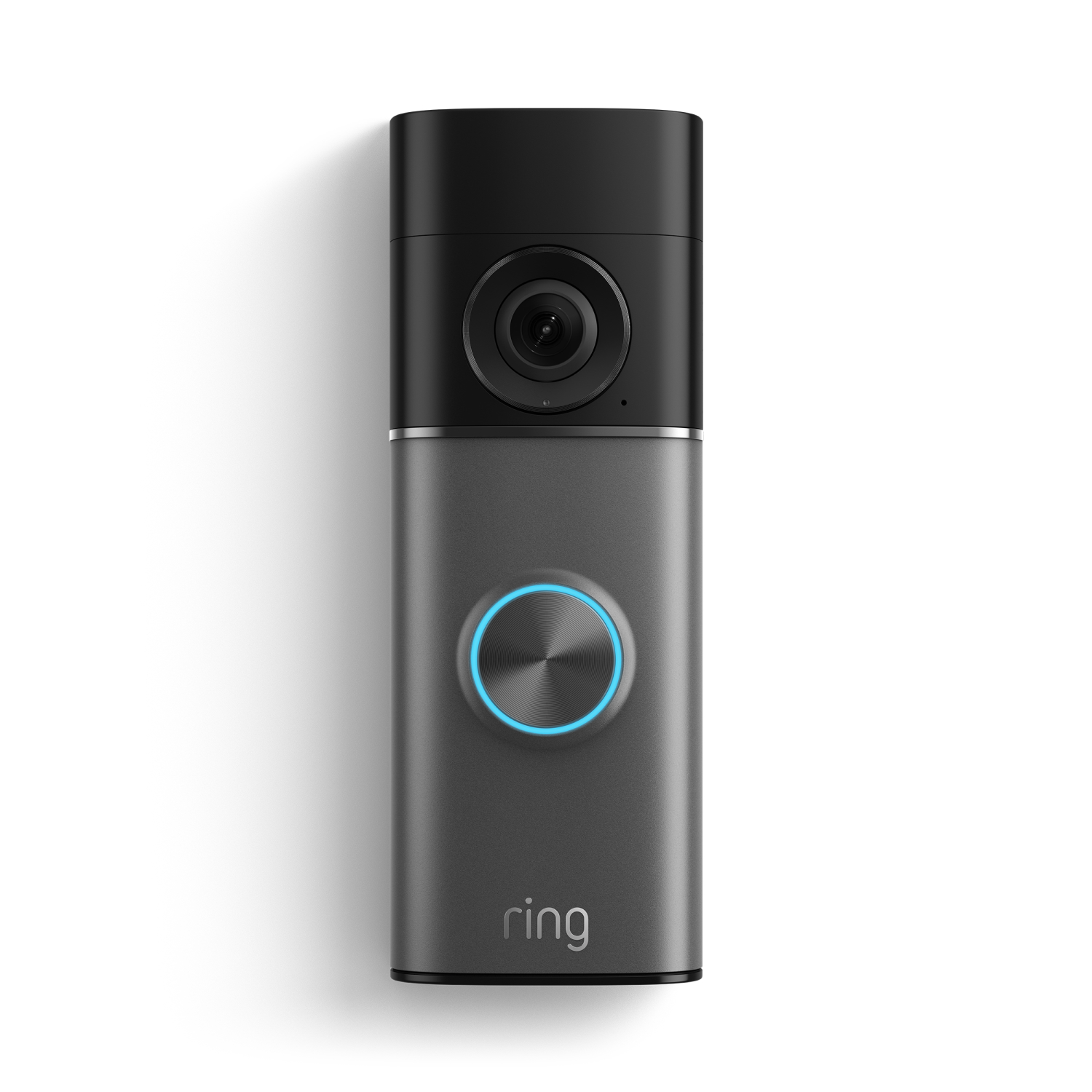
- +1536p head-to-toe field of view catches packages on the doorstep
- +No wiring needed — genuinely renter-friendly
- −Ring Home subscription required for recording and smart alerts
- −No HomeKit or Matter support
Ecobee
Ecobee Smart Doorbell CameraWired doorbell with a 175-degree view and free on-device person detection.
- +Person and package detection with no subscription required
- +175-degree 1:1 view shows the whole doorstep
- −Hardwired only — needs existing doorbell wiring
- −Extended video history still requires a subscription
- +On-device AI detection
- +Tight Google Home integration
- −Nest Aware needed for full history
- −Google ecosystem lock-in