The Best Smart Home Thermostat of 2026
The best smart home thermostat in 2026 is the one that reads your house accurately and then gets out of the way. Heating and cooling is the largest slice of most household energy bills, so the difference between a thermostat that guesses and one that senses occupancy properly shows up on a statement rather than in a spec sheet. We compared the leading models on scheduling intelligence, sensor quality, ecosystem support and whether any useful feature sits behind a subscription.
How we judged them
We weighted four things. First, sensing: a thermostat that only measures temperature at the hallway wall will heat the wrong room, so remote sensors or built-in presence detection matter more than the algorithm marketing. Second, scheduling intelligence — whether the unit learns genuinely useful patterns or simply nags you to adjust it. Third, ecosystem support, with Matter certification treated as a requirement rather than a bonus in 2026, since a thermostat should outlive your choice of voice assistant; our smart home platform guide explains what each platform does with a thermostat. Fourth, installed cost, including whether a C-wire adapter is needed. We did not weight app aesthetics, and we discounted any energy-savings claim that could not be traced to a specific mechanism.
The verdict
For most homes the Nest Learning Thermostat 4th Gen is the right buy — it does the most with the least configuration, and Matter certification removes the old objection about Google lock-in. Choose the Ecobee Smart Thermostat Premium instead if anyone in the house has asthma or allergies, because the air quality sensing is genuinely actionable and the ecosystem support is the broadest available; the Ecobee Smart Thermostat Premium review goes deeper on that. If you care about local execution, or you are building a Matter-and-Thread home and want one device to do three jobs, the Aqara Thermostat Hub W200 is both the cheapest and the most architecturally sensible option — see also our roundup of smart home automation controllers. Whichever you pick, budget an extra 60 dollars for a presence sensor in the main living space — it improves comfort more than upgrading the thermostat itself.
The best smart thermostats, ranked
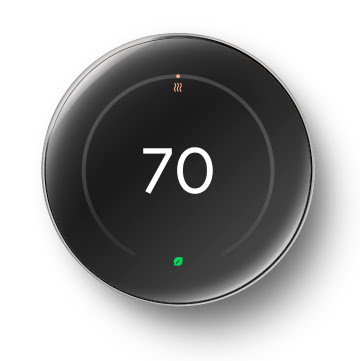
- +Auto-schedules itself
- +Sleek design
- −Pricey vs. basic smart thermostats
- −C-wire often required
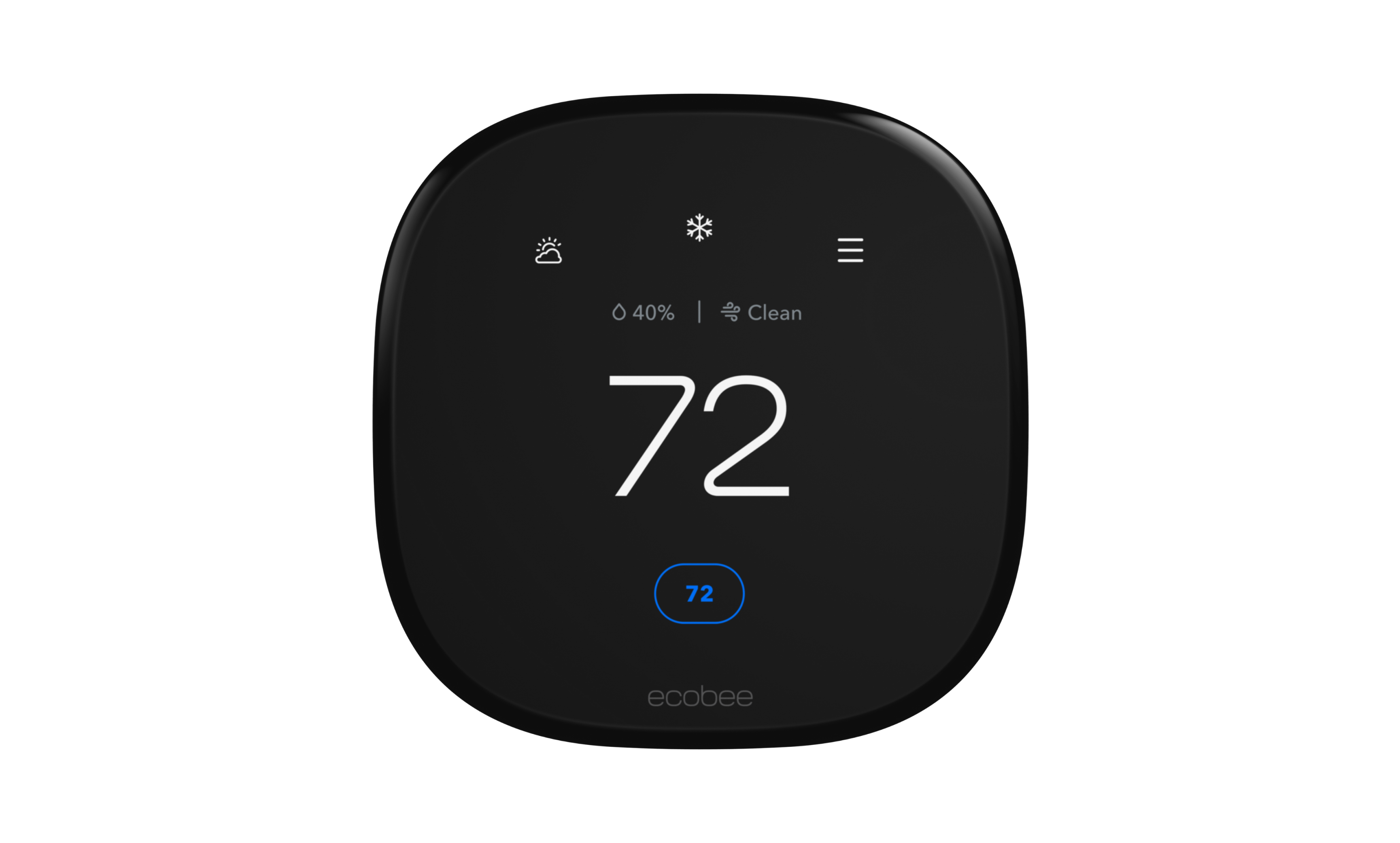
Ecobee
Ecobee Smart Thermostat PremiumSmart thermostat with room sensors, air quality monitoring, and built-in Alexa.
- +Indoor air quality monitoring — CO2, VOC, humidity, and particulates
- +SmartSensor balances temperature from actual occupied rooms, not the hallway
- −Always-on built-in microphone — not ideal for privacy-conscious households
- −C-wire required; included Power Extender Kit adds steps for older systems
- +Doubles as a Matter hub and Thread border router
- +Built-in presence sensing for automations
- −Requires C-wire for some HVAC setups
- −New product with limited long-term reviews
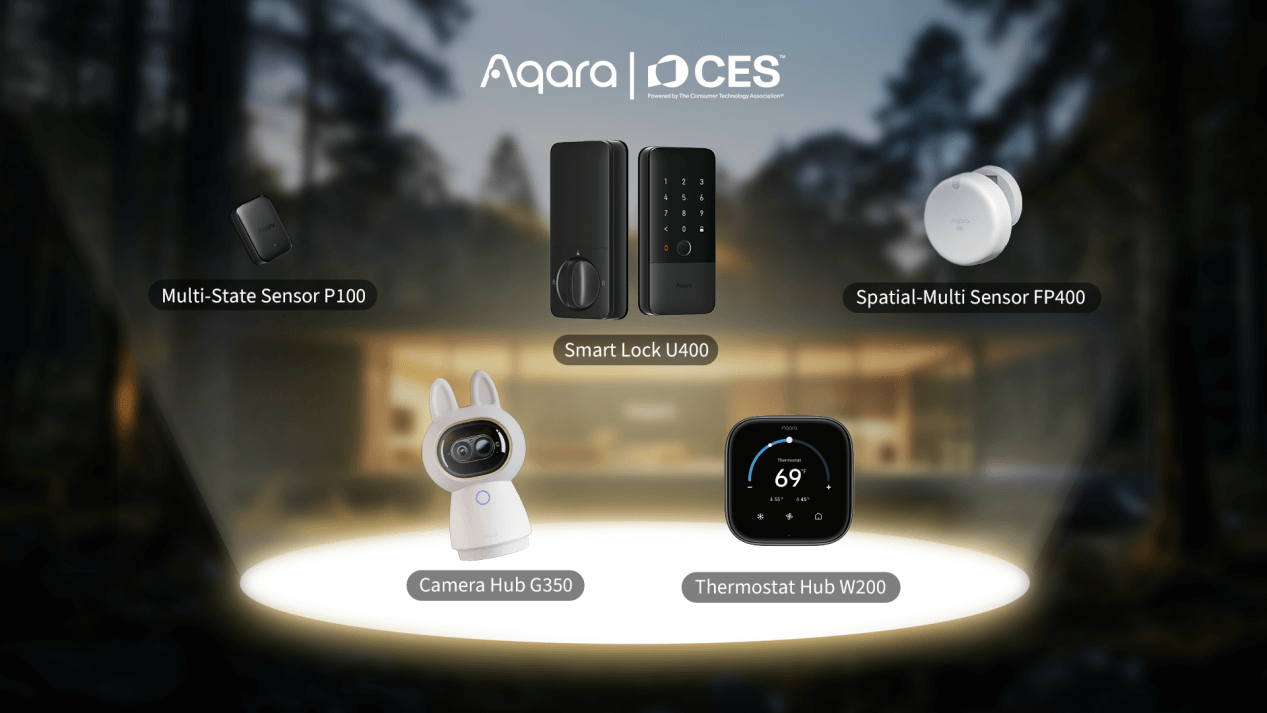
- +60GHz mmWave detects stationary presence — not just motion
- +Up to 30 configurable detection zones per room
- −Zone calibration setup takes significant time and patience
- −Requires Aqara hub to unlock exclusive Zigbee features
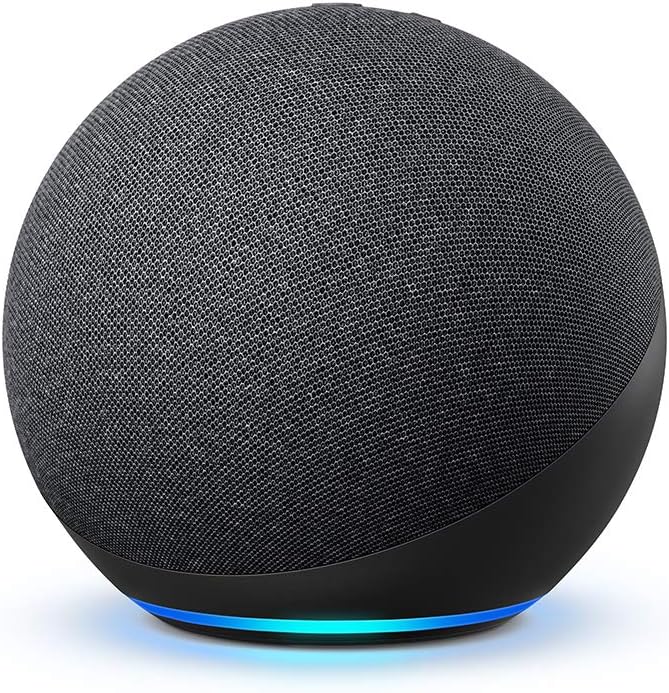
- +Built-in Zigbee, Matter, and Thread hub — eliminates a separate hub purchase
- +Dolby-tuned 3-inch woofer with adaptive room acoustic EQ
- −Deep Alexa ecosystem lock-in — limited cross-platform device control
- −Always-on microphone array is a privacy concern for some households