Smart Home Platform Guide: Choosing Your Ecosystem in 2026
By Ethan Halfhide · Updated
Picking a smart home platform in 2026 matters less than it did three years ago, because Matter lets most devices join more than one at a time. It still matters more than manufacturers admit: your platform decides which voice assistant answers, how automations are written, whether they run locally, and what happens to a device when support ends. This guide compares the four major platforms and lists the hardware that performs best on each.
Smart Home Platform Guide: Choosing Your Ecosystem in 2026
 Amazon Echo
 Google Nest
What is a smart home platform?
A smart home platform is the app plus cloud service that holds your device list, your automation rules and your voice assistant. In 2026 the four that matter are Amazon Alexa, Google Home, Apple Home and Samsung SmartThings, with Home Assistant as a strong open-source fifth for people willing to self-host. Matter changed the calculus: a Matter device can be commissioned into several platforms at once through multi-admin, so a lock can live in Apple Home for the household and Alexa for guests. What Matter does not standardise is automation logic — each platform still has its own rule builder, its own idea of scenes, and its own limits on how complex a routine can get. For the radio-level view, see smart home ecosystems compared.
How to choose your platform
Choose the platform that matches the phones in your house, not the one with the best feature list. Apple Home is the most private and the most consistent, executes automations locally through a HomePod or Apple TV, and has the narrowest device support. Google Home has the best natural language handling and broad Matter support, but automation depth remains its weak point. Alexa has the widest device compatibility and the most mature routine builder, at the cost of being the most cloud-dependent. SmartThings is the enthusiast pick — deepest protocol support, most powerful rules engine, steepest learning curve. Home Assistant beats all four on capability and local control if you are willing to maintain it. Whichever you pick, buy Matter-certified hardware so that changing your mind later costs you an afternoon rather than a rebuy, and pair it with one of the smart home automation controllers we rank — the Aqara Smart Hub M3 review explains why it is the most platform-neutral option.
Best devices by platform

Amazon Echo
Amazon Echo HubDedicated 8-inch smart home control panel with built-in Thread border router
- +Dedicated smart home panel, not a repurposed Echo speaker
- +Built-in Thread border router extends your mesh network
- −Alexa-centric: Google Home and HomeKit supported but not first-class
- −Requires Wi-Fi for remote features
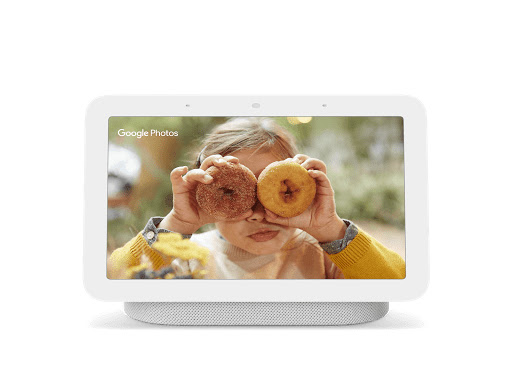
Google Nest
Google Nest Hub (2nd Gen)Bedside smart display with radar sleep tracking and hands-free Google Assistant.
- +Soli radar sleep tracking with no camera, wearable, or subscription needed
- +Sunrise alarm gradually brightens display to ease morning waking
- −No camera, cannot make or receive video calls from the display
- −Speaker is adequate for ambient sound but underwhelming for serious music listening
- +Combined Matter hub and Thread border router
- +Built-in 15W wireless charger
- −Tied to the SmartThings app
- −Limited Zigbee/Z-Wave support vs full hubs
Aqara
Aqara Smart Hub M3Multi-protocol hub with Zigbee 3.0, Thread and Matter support and local automations
- +Supports Zigbee 3.0, Thread and Matter in one hub
- +Zigbee 3.0 bridges legacy Aqara devices to Matter
- −USB power adapter is not included
- −Only one IR air conditioner can be exposed to Matter

Aeotec (Samsung SmartThings)
Aeotec Smart Home Hub 2SmartThings hub with Matter, a Thread border router and Zigbee 3.0
- +Built-in Thread border router and Matter controller
- +Connects by Wi-Fi or Ethernet
- −No Z-Wave in Aeotec's Hub 2 technical details
- −Managed through the SmartThings app
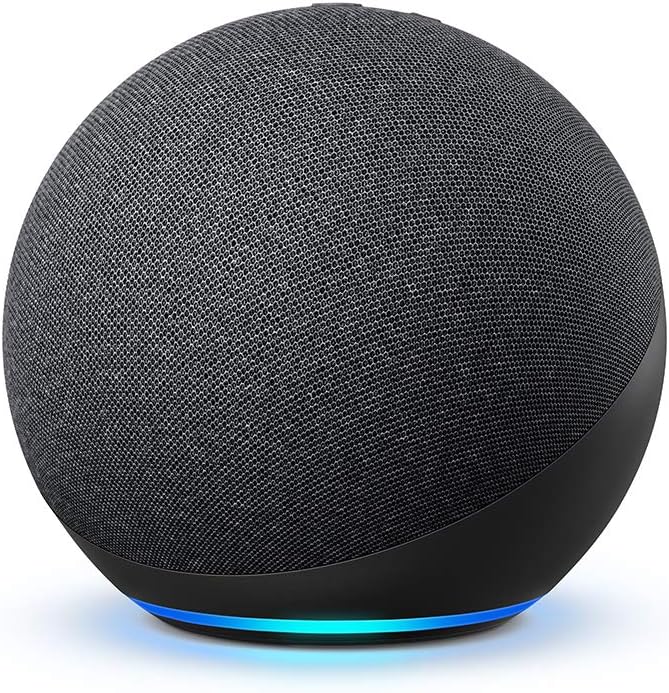
- +Built-in Zigbee, Matter, and Thread hub, eliminates a separate hub purchase
- +Dolby-tuned 3-inch woofer with adaptive room acoustic EQ
- −Deep Alexa ecosystem lock-in, limited cross-platform device control
- −Always-on microphone array is a privacy concern for some households
- +Integrated Wi-Fi, no bridge needed
- +Unlimited PIN codes and auto-lock
- −No fingerprint reader
- −Matter module is a paid add-on
- +Matter over Thread for best-in-class reliability
- +16 million colors + tunable white
- −Thread requires a Thread Border Router for full benefits
- −Single bulb, starter kit costs more

- +Full local control
- +No subscription
- −Requires hardwiring
- −Advanced setup
Ecobee
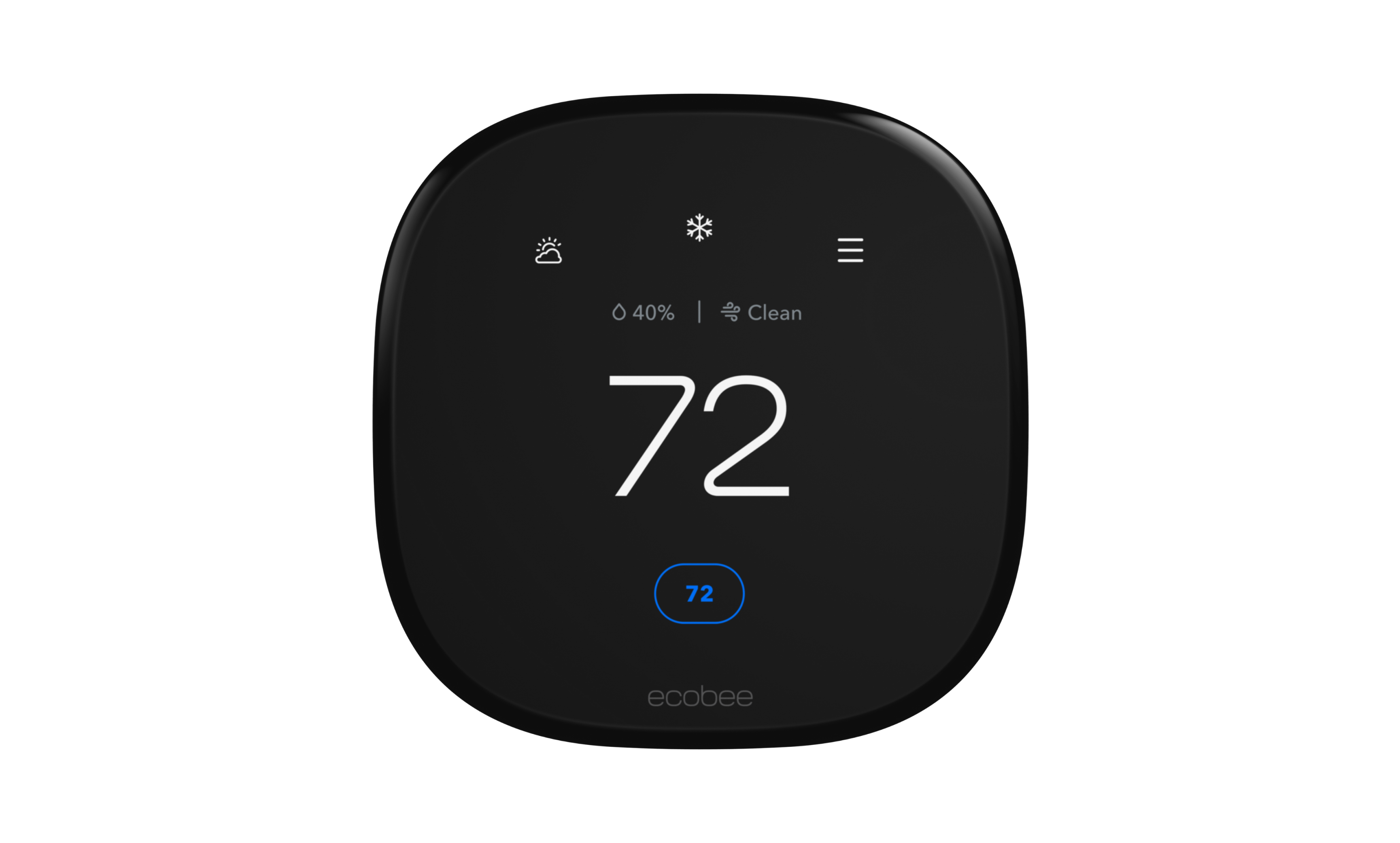
Ecobee Smart Thermostat PremiumSmart thermostat with a SmartSensor in the box, air quality monitoring, and Siri or Alexa built in.
- +Indoor air quality monitor with alerts and air filter reminders
- +SmartSensor in the box helps balance temperature in the rooms you use
- −Built-in voice assistant may not suit privacy-conscious households
- −Regular price is $60 more than the Enhanced ($259.99 vs $199.99 on ecobee.com as of October 2026)
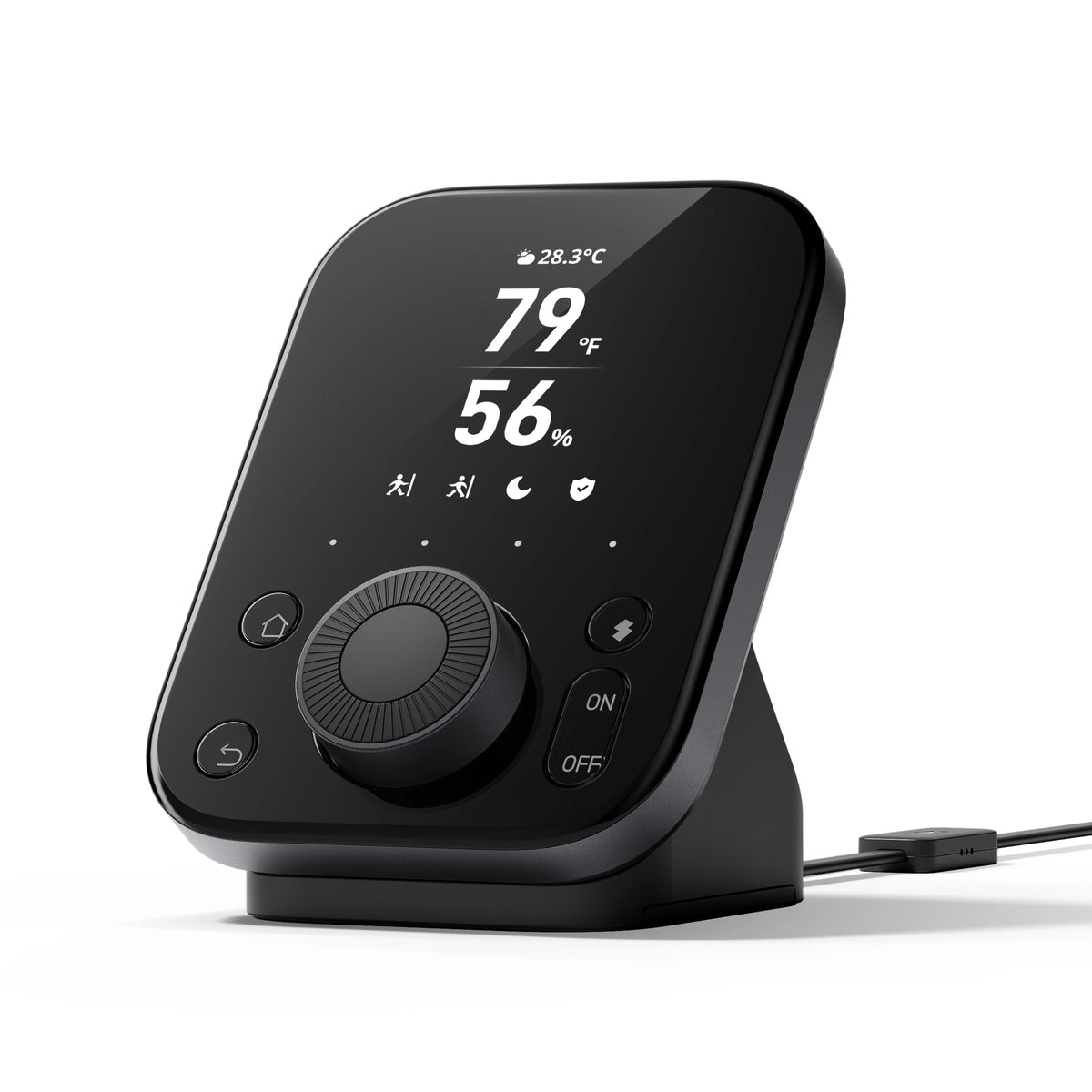
- +IR control for legacy appliances
- +Built-in sensors and knob
- −Full value requires other SwitchBot accessories
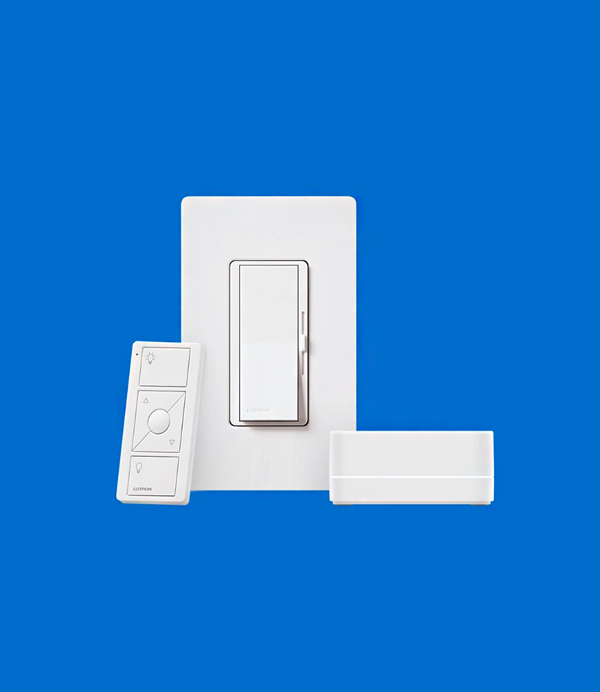
Lutron Caseta
Lutron Caseta Diva Smart Dimmer Starter KitLutron's legendary reliability in a modern rocker dimmer, no neutral wire needed.
- +No neutral wire required, compatible with older homes where most smart switches fail
- +Industry-leading reliability with near-zero failure rates across 10+ years
- −SmartBridge hub required, adds roughly $80 if not purchasing the Starter Kit
- −Higher per-dimmer cost than competitors; whole-home installation adds up
Related guides
Frequently asked questions
Can one device belong to two smart home platforms at once?
Yes, if it is Matter-certified. Matter multi-admin lets you commission the same device into Apple Home, Google Home, Alexa and SmartThings simultaneously, each with its own automations. Non-Matter devices generally connect to one platform natively and reach others through a manufacturer cloud skill or integration.
Which smart home platform works best without internet?
Apple Home with a HomePod or Apple TV hub, and Home Assistant, both run automations locally and keep working during an outage. SmartThings runs some automations locally on the hub. Alexa and Google Home are largely cloud-dependent, so most routines stop working when your connection drops.
Does switching platforms mean rebuying all my devices?
Not for Matter-certified hardware, which can be moved or shared between platforms without new purchases. Older Wi-Fi and Zigbee devices tied to a manufacturer cloud may need a bridge, and a few will not transfer at all — which is the main argument for buying Matter devices even if you have no plans to switch.