Honeywell Thermostat 2026: Full Model Guide and Buying Advice
The Honeywell thermostat remains the most widely installed thermostat in North America in 2026, spanning basic programmable units to the Honeywell Home Wi-Fi smart lineup with app control, room sensors, and voice assistant integration. This guide covers every current model and helps you choose the right one for your home.
What is a Honeywell thermostat?
Honeywell Home (a Resideo brand) makes thermostats across every tier from $35 programmable to $200 smart models. Their products are installer-friendly and compatible with a wider range of HVAC systems than most smart thermostats. No C-wire is required on most models. For the editor’s ranked picks, see our Best Honeywell thermostats for home 2026 guide.
The 2026 Honeywell lineup
Key 2026 models: T6 Pro Programmable ($45) for basic weekly scheduling; T6 Pro Wi-Fi ($90) adds app control and Alexa/Google support; T9 Smart ($130) adds a room sensor and SmartRoom technology; T10 Pro ($199) supports up to 20 SmartSensors for whole-home zoning. Comparing against Google? Read our Honeywell vs Nest thermostat comparison.
Honeywell buying guide
For a simple upgrade from a manual thermostat, the T6 Pro Programmable is reliable and affordable. For Wi-Fi and voice control, the T6 Pro Wi-Fi is the sweet spot. Power users who want room-by-room control without a full zoning system should look at the T9 or T10 Pro. For Matter and HomeKit support, see our Ecobee thermostat reviews.
Compare with the top alternatives
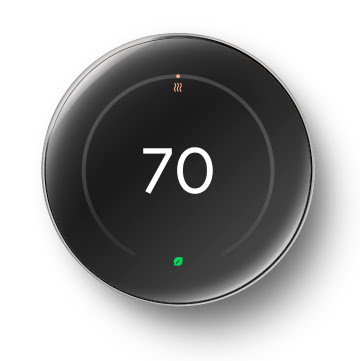
- +Auto-schedules itself
- +Sleek design
- −Pricey vs. basic smart thermostats
- −C-wire often required
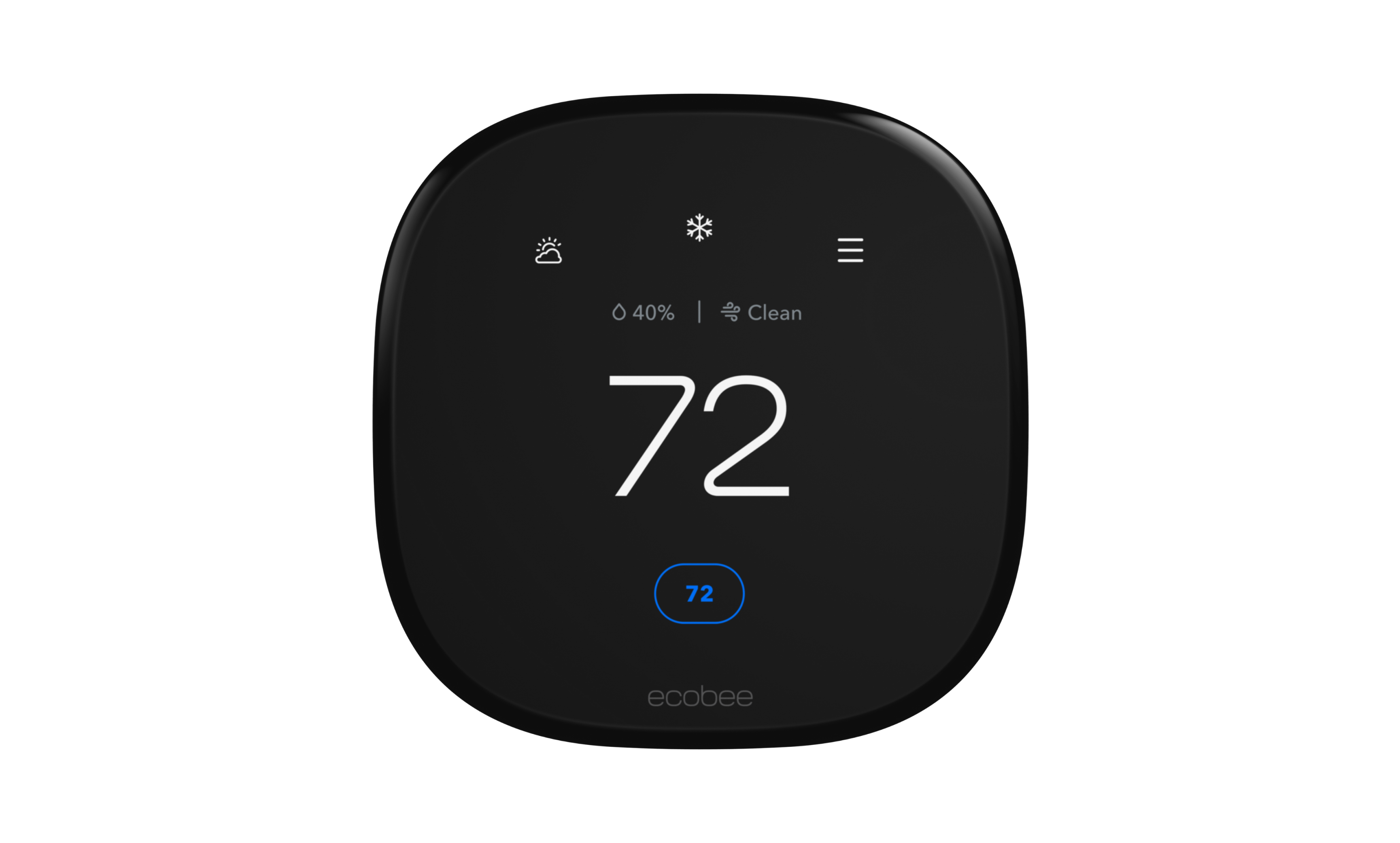
Ecobee
Ecobee Smart Thermostat PremiumSmart thermostat with room sensors, air quality monitoring, and built-in Alexa.
- +Indoor air quality monitoring — CO2, VOC, humidity, and particulates
- +SmartSensor balances temperature from actual occupied rooms, not the hallway
- −Always-on built-in microphone — not ideal for privacy-conscious households
- −C-wire required; included Power Extender Kit adds steps for older systems