Smart Home Devices 2026: The Complete Buyer's Guide
Smart home devices in 2026 are defined by three shifts: Matter interoperability has made ecosystem lock-in largely optional, Thread mesh networking has made local control reliable, and AI-powered detection has made cameras and sensors genuinely smart rather than just connected. This guide covers the best smart home devices by category so you can build a system that works together, stays reliable, and grows over time.
What are smart home devices?
Smart home devices are internet-connected gadgets that can be automated, controlled remotely, and integrated with voice assistants and other devices. In 2026, the Matter standard lets devices from different brands work together natively.
Buying guide
Build your smart home in layers: start with lighting (most visible impact), add a smart thermostat (best ROI), then layer in security and sensors as your needs grow. Always check for Matter certification to preserve future flexibility. For deeper category picks, see our best home automation devices, best LED smart lights, and best smart thermostats.
Lighting, climate, hubs, sensors, and plugs
Philips Hue and Lutron Caseta cover the two pillars of smart lighting (bulbs and dimmers). The Nest Learning Thermostat 4th Gen and Ecobee Premium dominate climate control. The Amazon Echo 4th Gen acts as a hub with built-in Zigbee, Thread, and Matter radios. The Aqara FP400 is the most capable room presence sensor available, and TP-Link Kasa and Eve Energy split the smart plug category for budget and Thread-native Apple Home setups respectively.
Top picks by category
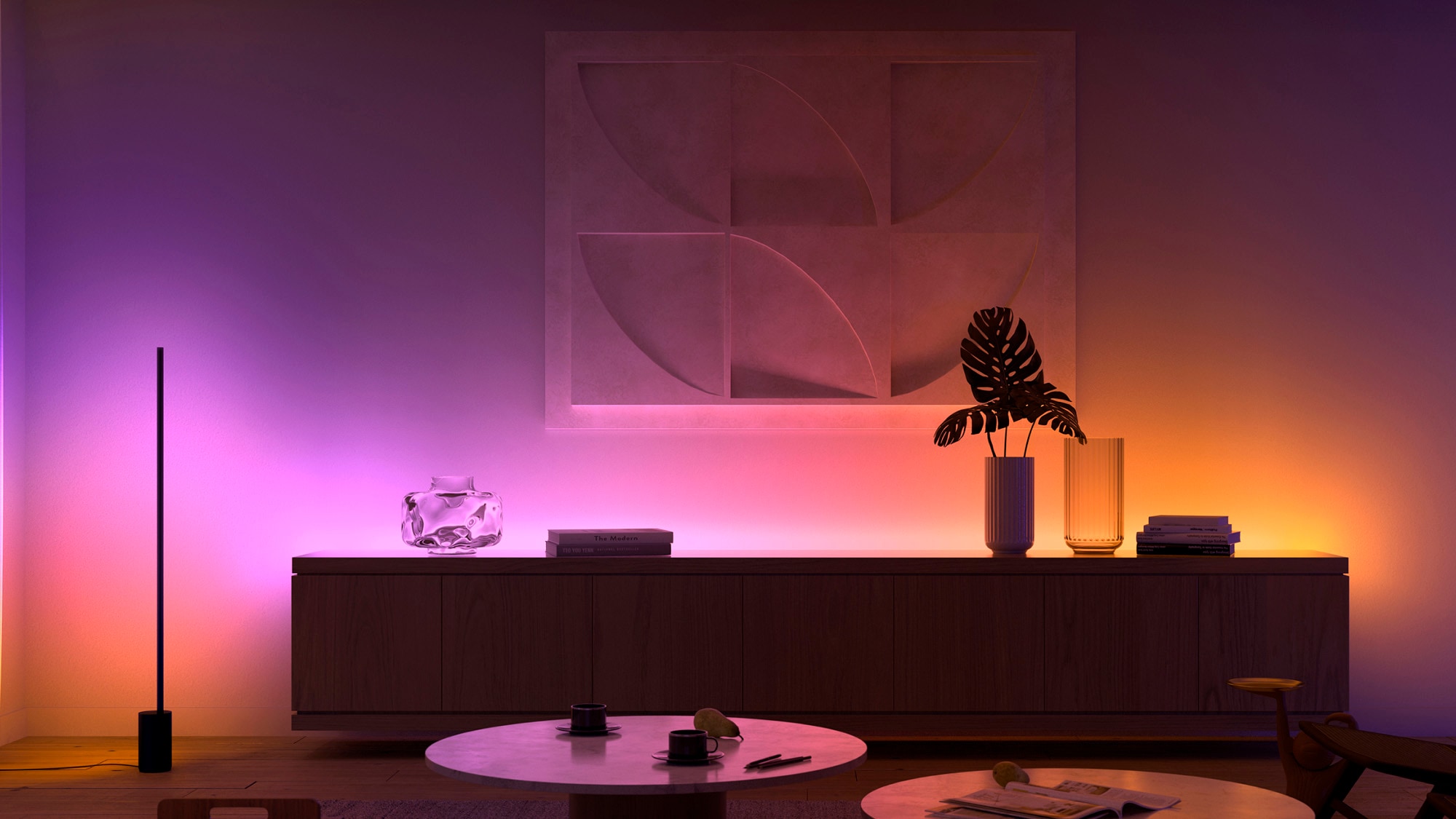
Philips Hue
Philips Hue White & Color A19 Starter Kit16 million colors, rock-solid app, hub-grade reliability.
- +Most polished lighting ecosystem
- +Works without internet via Bridge
- −Premium price
- −Bridge takes an ethernet port
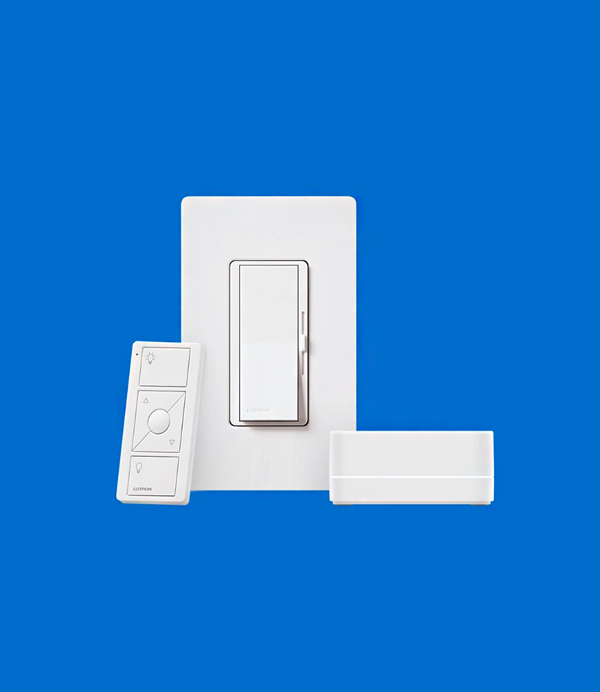
Lutron Caseta
Lutron Caseta Diva Smart Dimmer Starter KitLutron's legendary reliability in a modern rocker dimmer — no neutral wire needed.
- +No neutral wire required — compatible with older homes where most smart switches fail
- +Industry-leading reliability with near-zero failure rates across 10+ years
- −SmartBridge hub required — adds roughly $80 if not purchasing the Starter Kit
- −Higher per-dimmer cost than competitors; whole-home installation adds up
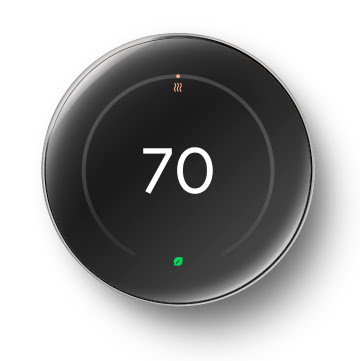
- +Auto-schedules itself
- +Sleek design
- −Pricey vs. basic smart thermostats
- −C-wire often required
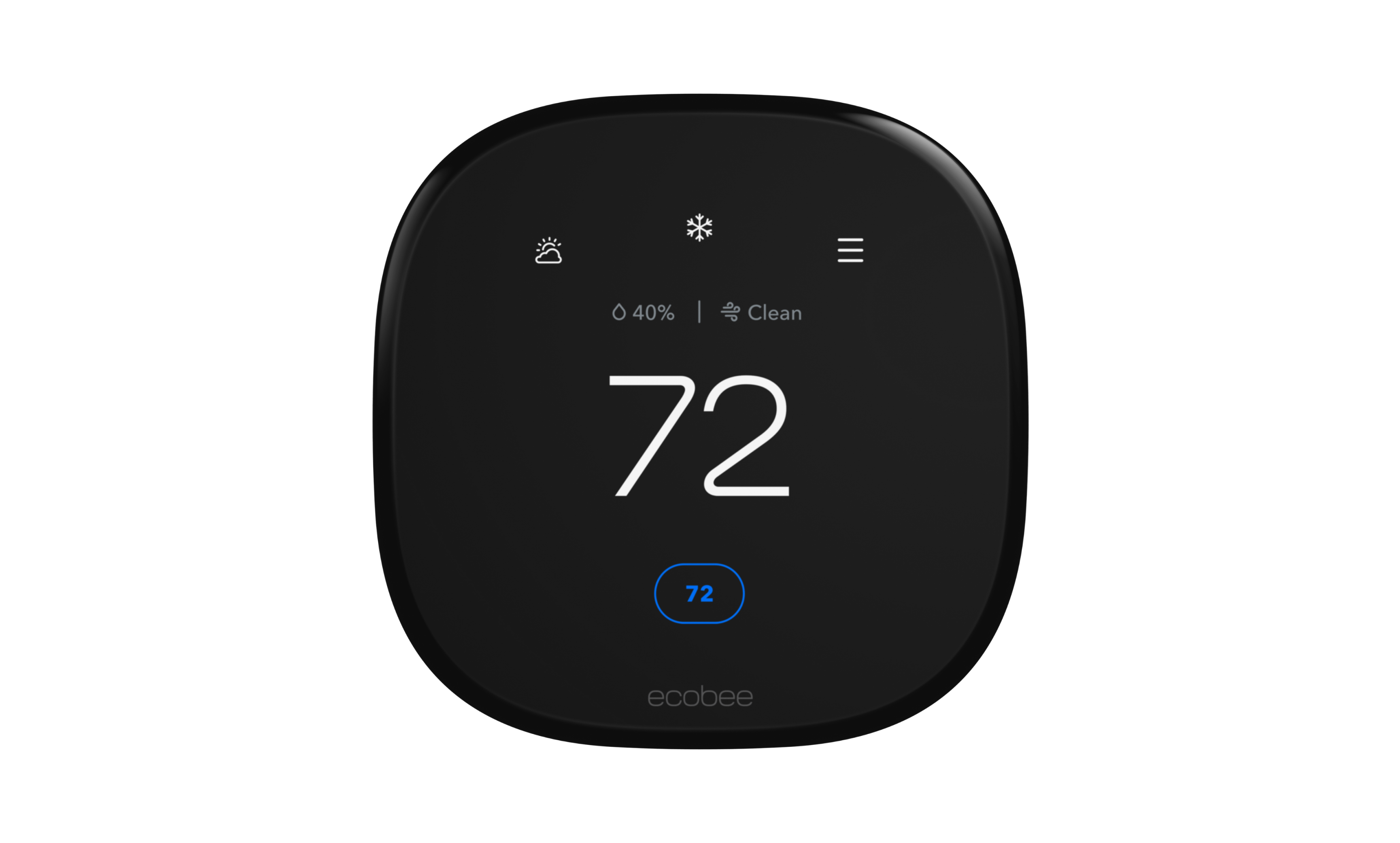
Ecobee
Ecobee Smart Thermostat PremiumSmart thermostat with room sensors, air quality monitoring, and built-in Alexa.
- +Indoor air quality monitoring — CO2, VOC, humidity, and particulates
- +SmartSensor balances temperature from actual occupied rooms, not the hallway
- −Always-on built-in microphone — not ideal for privacy-conscious households
- −C-wire required; included Power Extender Kit adds steps for older systems
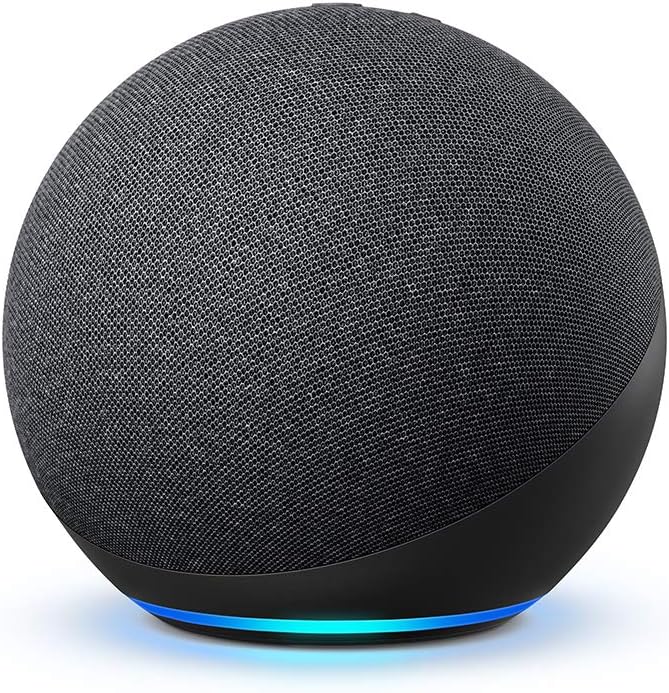
- +Built-in Zigbee, Matter, and Thread hub — eliminates a separate hub purchase
- +Dolby-tuned 3-inch woofer with adaptive room acoustic EQ
- −Deep Alexa ecosystem lock-in — limited cross-platform device control
- −Always-on microphone array is a privacy concern for some households
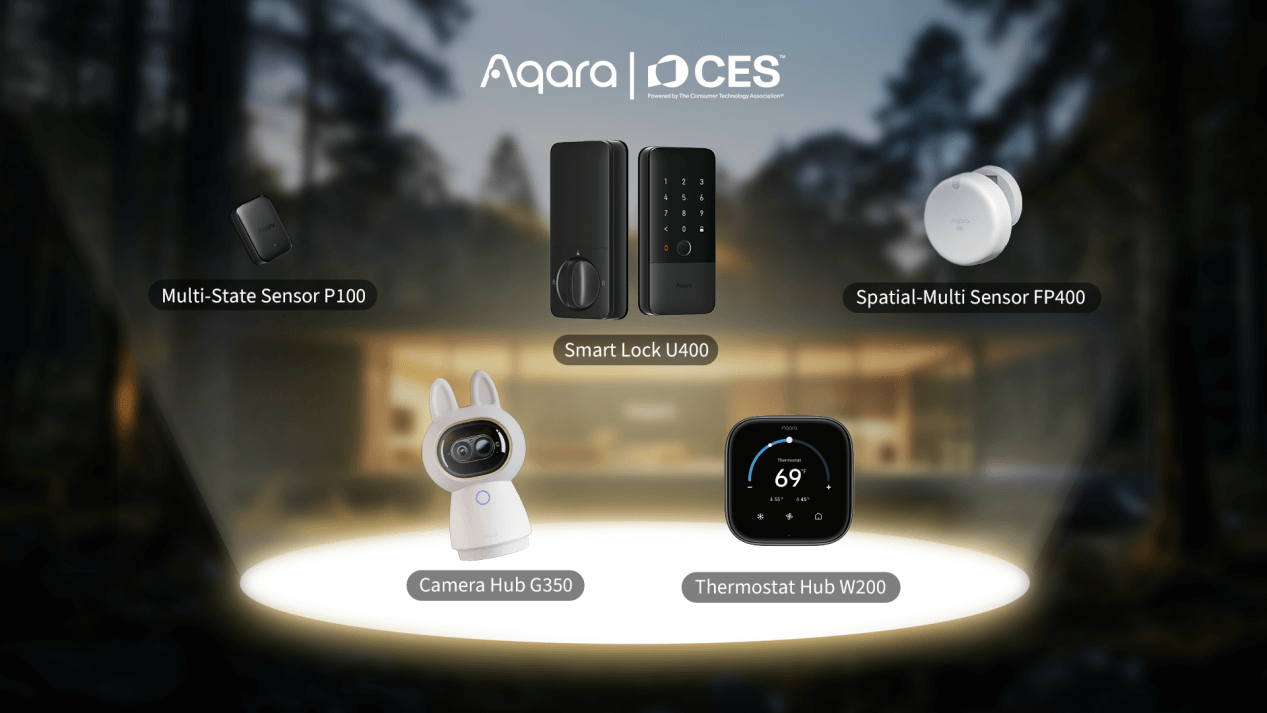
- +60GHz mmWave detects stationary presence — not just motion
- +Up to 30 configurable detection zones per room
- −Zone calibration setup takes significant time and patience
- −Requires Aqara hub to unlock exclusive Zigbee features
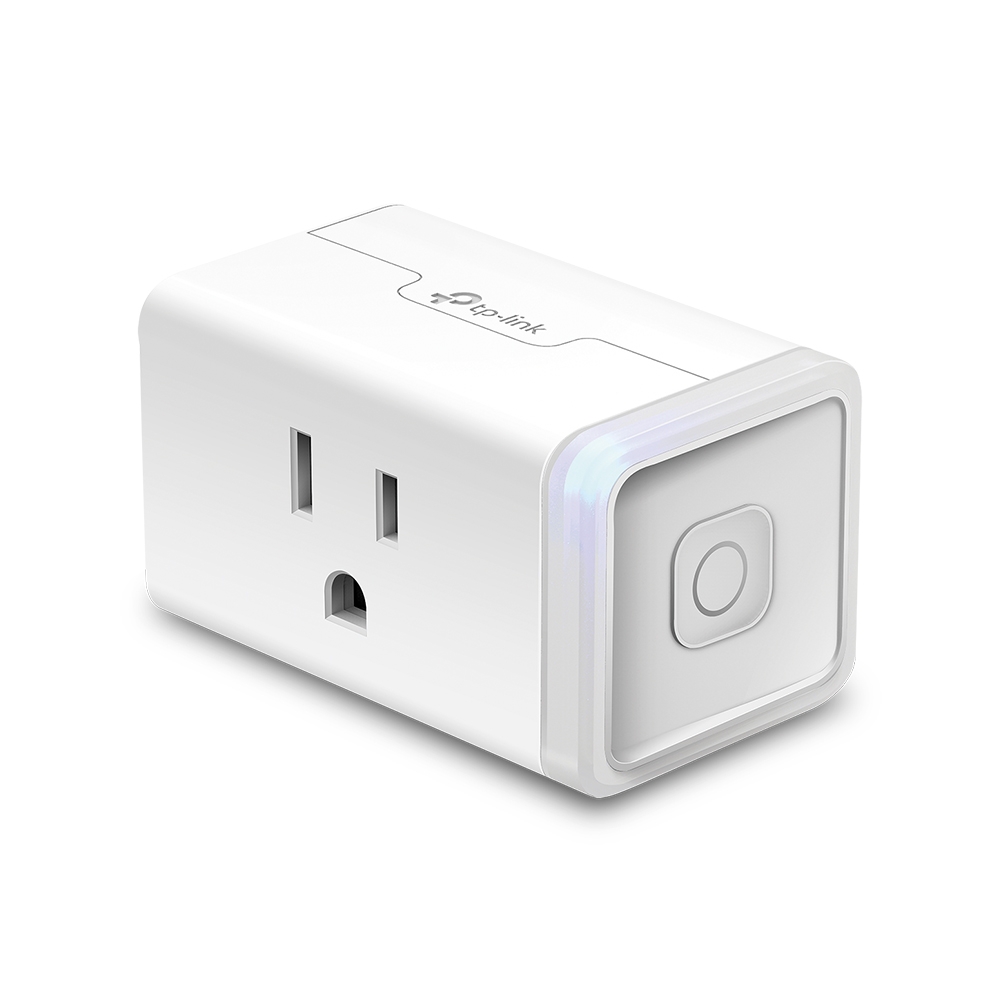
- +Cheap and reliable
- +Matter support out of the box
- −2.4 GHz Wi-Fi only
- −Plain industrial design
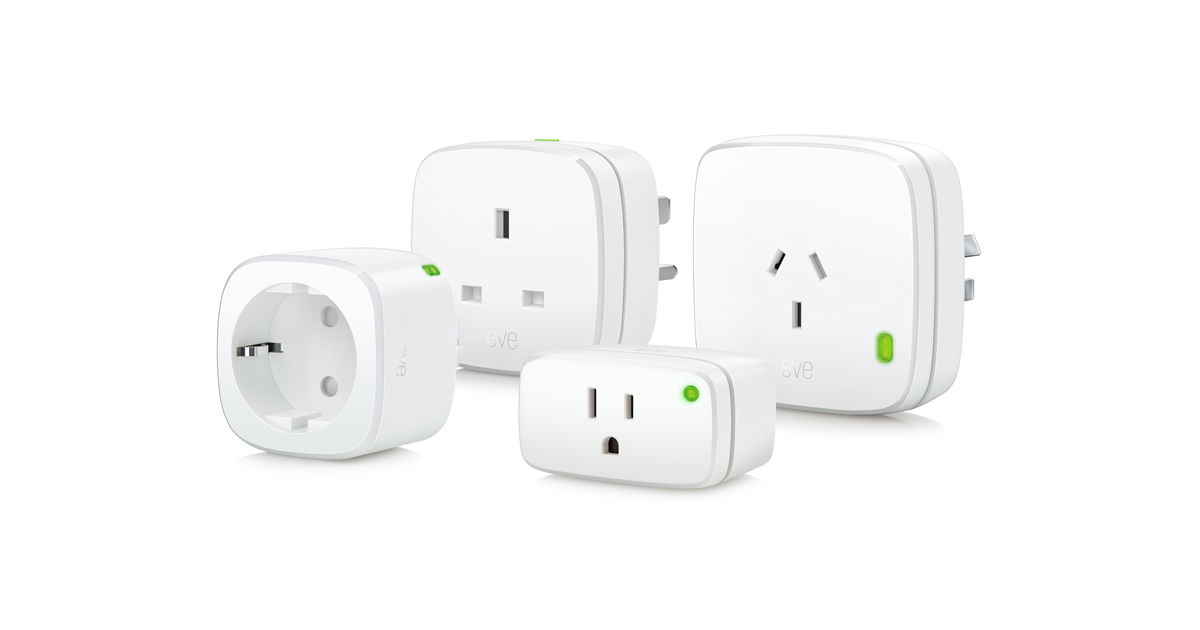
- +Real-time wattage, amperage, and estimated monthly cost tracking
- +Thread protocol — fully local, no bridge, no internet dependency
- −Full energy dashboard is iOS/macOS only — no official Android app
- −Higher price than non-Thread alternatives for equivalent outlet control