Smart Home Sensors: The 2026 Directory
By Ethan Halfhide · Updated
Smart home sensors are what turn a collection of connected gadgets into automation that actually works. The single biggest change in 2026 is mmWave radar presence sensing, which detects a still human being rather than a moving one, and finally solves the oldest complaint in the hobby: lights switching off while you sit reading. This directory covers presence, water leak and life safety sensors worth putting in a home. For sensors that watch the air itself, see our guide to indoor air quality monitors.
Smart Home Sensors: The 2026 Directory
 Aqara
AqaraWhat is a smart home sensor?
Sensors are the input side of home automation. Motion sensors use passive infrared and only fire when something warm moves, which is cheap and fast but blind to a person sitting still. mmWave presence sensors use 60GHz radar to detect breathing and micro-movement, so they know a room is occupied even when nobody moves, and the better ones map a room into zones and count people. Alongside presence, the sensors most worth owning are water leak detectors, which prevent the single most expensive category of home damage, and smart smoke and CO alarms. Sensors complement rather than replace smart security cameras, since a radar sensor sees occupancy without recording anyone.
Buying guide
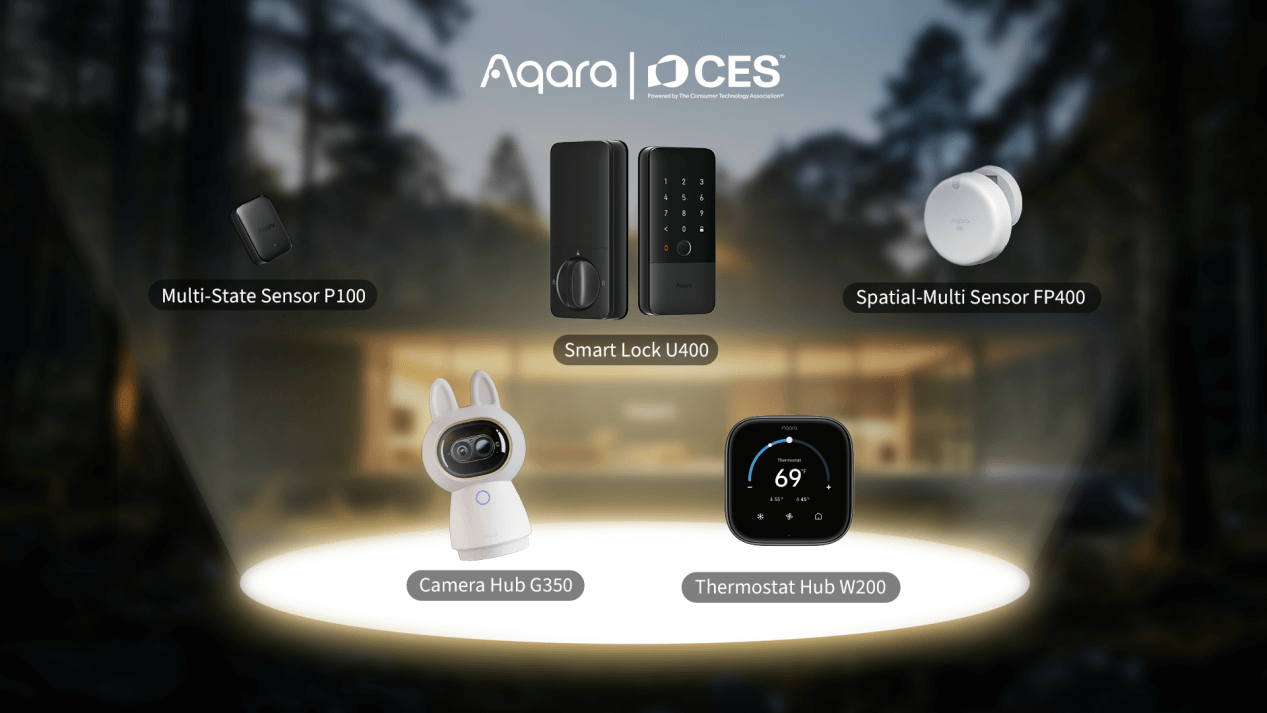
Buy presence sensing for rooms where people sit still: offices, living rooms, bathrooms. The Aqara FP400 is the pick if you want Matter and Zigbee with local control, since it reports occupancy count, position and posture including fall detection with no camera involved. The FP2 is the earlier and cheaper model with up to 30 configurable zones and five-person tracking.
For water, put a leak sensor under the dishwasher, sinks and water heater; our best water leak detector guide compares GoveeLife, YoLink, Aqara and other spot sensors with whole-home shutoff valves. For life safety, the First Alert Onelink Safe and Sound is a UL-listed smoke and CO alarm that doubles as an Alexa speaker, which makes it easier to justify in a hallway. Note that local control matters more for sensors than for almost anything else, because a sensor that depends on the cloud adds latency to every automation it triggers, which is why the best smart home hub for Matter matters here, and why presence sensors pair so well with smart thermostats that can heat only occupied rooms.
Key considerations
- mmWave presence versus passive infrared motion
- Zone mapping and multi-person tracking
- Local control to keep automation latency low
- Matter or Zigbee for ecosystem compatibility
- Battery versus USB power, since mmWave sensors usually need mains power
- UL listing for anything doing life safety duty
Sensors are one type of smart home security device, alongside cameras and locks. Safety sensors are a category of their own: see our smart smoke detector buying guide and the best carbon monoxide detector picks.
Smart home sensors, ranked
- +60GHz mmWave detects stationary presence, not just motion
- +Up to 30 configurable detection zones per room
- −Zone calibration setup takes significant time and patience
- −Requires Aqara hub to unlock exclusive Zigbee features
- +Detects stillness, not just motion, lights stay on while you read
- +Up to 30 zones and five simultaneously tracked people
- −Zone setup is genuinely fiddly the first time
- −Needs constant USB-C power
- +Extremely affordable leak detection
- +100dB onboard alarm
- −No Apple HomeKit support
- −No Matter support
- +Dual smoke + CO detection (UL listed)
- +Built-in Alexa smart speaker
- −Requires wiring (hardwired installation)
- −More expensive than basic detectors
Related guides
Frequently asked questions
What is the difference between a motion sensor and a presence sensor?
A motion sensor uses passive infrared and only triggers when a warm body moves, so it turns lights off on someone sitting still. A presence sensor uses 60GHz mmWave radar to detect breathing and micro-movement, so it reports a room as occupied even when nobody is moving. Presence sensors cost more and usually need mains power, but they solve the false-off problem completely.
Which presence sensor should I buy in 2026?
The Aqara FP400 if you want Matter certification, local control and occupancy counting with posture and fall detection. The Aqara FP2 is the cheaper option and still very capable, with up to 30 configurable zones and simultaneous tracking of five people, though it lacks Matter certification.
Are water leak sensors worth it?
Almost certainly. A Govee H5054 costs about 20 dollars and sits under a dishwasher, washing machine or water heater. It sounds a 100dB alarm locally and pushes a phone notification the moment it detects moisture, which is the difference between a wet floor and a replaced subfloor.